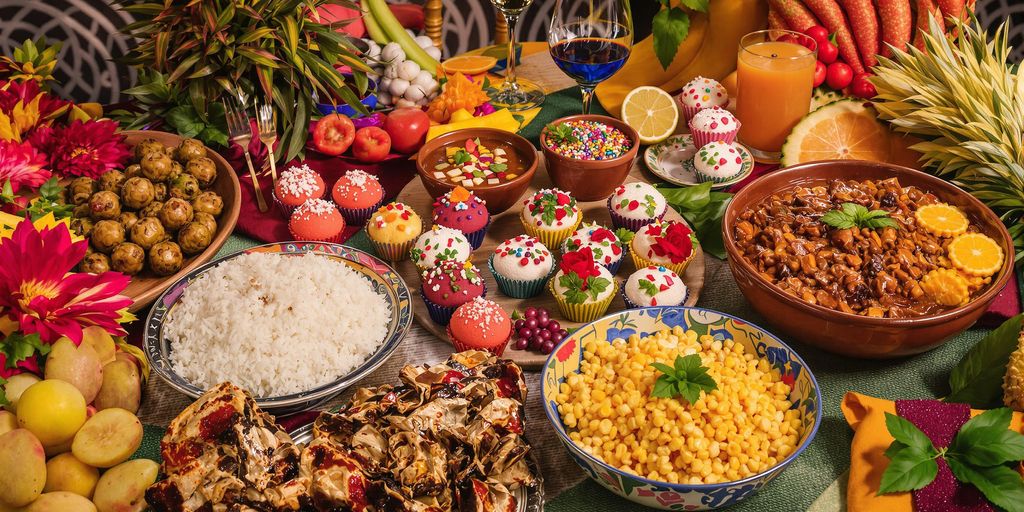
Jsme vaším spolehlivým partnerem pro import a distribuci vysoce kvalitních potravinářských produktů přímo z Brazílie. Od exotického ovoce a čerstvé kávy až po tropické džusy a speciality – přinášíme do Evropy to nejlepší, co Brazílie nabízí. S důrazem na kvalitu, čerstvost a udržitelnost zaručujeme, že každý produkt splňuje nejvyšší standardy. Rozšiřte svou nabídku o autentické brazilské chutě a potěšte své zákazníky jedinečnými produkty.
Brazilské potraviny – Kvalita, chuť a spolehlivost přímo k vám!
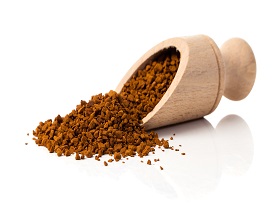
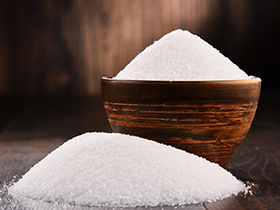
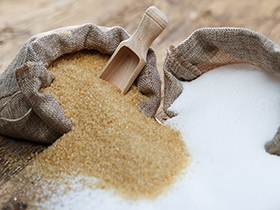
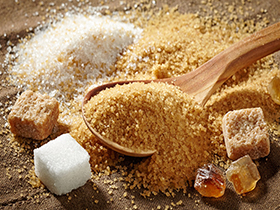
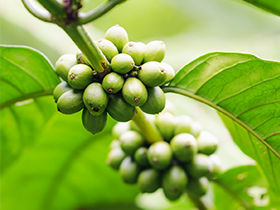
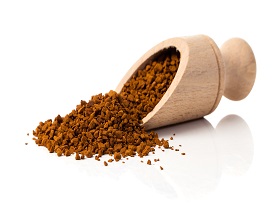
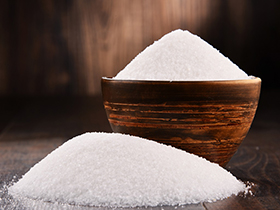
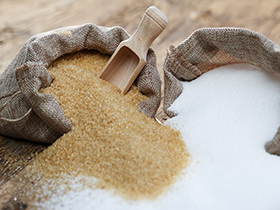
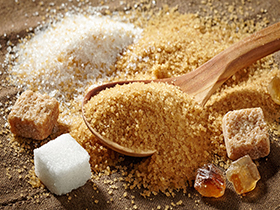
Isolated on white for coffee bean and cofee after roasted and reade to eat.Bottle of Soy Oil on dark rustic wooden backgroundInstant coffee in the spoon on white backgroundComposition with bowl of white refined sugar on wooden table.Various types of sugar, brown sugar and whiteVarious types of sugar
If you are interested, please send your LOI to us.
Types / Specification
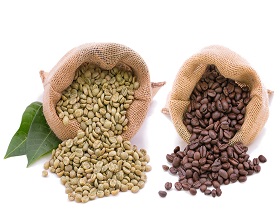
There are four primary types of coffee beans we’ll be discussing here: Arabica (Coffee arabica), Robusta (Coffee caniphora), Liberica (Coffee liberica), and Excelsa (Coffee liberica var. dewevrei). Let’s discover what differences define these various types of coffee.
Arabica – Arabica is the most common (and certainly most heavily marketed) type of coffee in the world. That’s because it actually has a sweeter, more delicate flavor and the coffee itself tends to be less acidic. Arabica beans are farmed in areas with high elevations above sea level, particularly those where rain is plentiful. In fact, Brazil, known for its lush rainforest, is the world’s foremost exporter of Arabica beans. The plants themselves are fairly delicate, requiring a fair amount of pruning and constant attention to environmental factors. The Coffee arabica species is particularly prone to disease so farming in great quantities is a challenge. This drives up the cost of the bean considerably in the global market, but many coffee drinkers around the world are happy to pay the difference because of the softer, sweeter taste. One point to note about the popular but sensitive bean is that its taste has a reputation of being diminished a bit when it is served cold or blended with milk or creamer. While that may be the case, it’s fair to say the difference probably won’t be noticeable when you’re adding some additional flavor to the drink anyway.
Robusta – When it comes to global production, Robusta coffee beans are second on the list and the most popular in Europe, the Middle East and Africa. Its name does this bean justice, as it is known for its strong and often harsh flavor profile. Robusta coffees have extremely high levels of caffeine, which makes the plant far more resilient than the Arabica species. That’s because the caffeine acts as natural insect repellent, eliminating a major threat to the tree. The coffee caniphora species is also particularly tolerant of its environment, so it can be grown in any number of altitudes and climates. Because of its reputation for tasting burnt or rubbery, robusta is not generally a very popular coffee commodity, except where very strong coffee is a cultural norm. However, because it’s so much easier to grow and harvest than Arabica beans, many farmers do tend to reap higher profits when they can sell Robusta. So where is it going? Robusta might be used for discount lines like instant coffees and is sometimes used as a filler in dark roasts. By using 3 parts Arabica to 1 part Robusta in a given batch, a roaster might save up to 20% on the cost of raw beans. However, if this looks to you like sacrificing product quality for the bottom line, you’d be right.
Conab (National Supply Company) estimated in 2016 coffee harvest in Brazil in 51.37 million bags, 43.38 million bags of arabica and 7.98 million conilon.In the 2016/17 crop year, the United States maintained the leadership of Brazilian coffee consumption with 6.43 million bags, corresponding to 19.5% of the total. Following, Germany appears with 5.88 million bags, being 17.9%. The list also includes Italy with 2.99 million bags (9.1%), Japan with 2.34 million bags (7.1%) and Belgium with 1.96 million bags (5.9%). Also noteworthy in the period was the increase in coffee exports to Russia (15.7%), Turkey (20.4%) and France (15.7%).
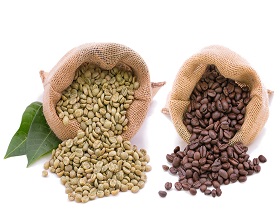
Isolated on white for coffee bean and cofee after roasted and reade to eat
Arabica Coffee
Moisture:
13.0% Max.
Admixture:
1.0% Max.
Broken beans:
5.0% Max.
Black beans:
5.0% Max.
Screen 13:
90% Min.
Bottle of Soy Oil on dark rustic wooden background
Your Gateway to Brazilian Food & Commodity Excellence
Libor&Vilmar is a dynamic and experienced group specializing in the import and export of premium Brazilian food products and essential commodities. With a deep understanding of both the Brazilian market and international trade, we serve as a reliable bridge connecting high-quality Brazilian producers with discerning global buyers.
Our Expertise:
Brazilian Food Products: We source and deliver a diverse range of authentic Brazilian food items, from staple ingredients to specialty gourmet products. Our portfolio includes, but is not limited to, coffee, exotic fruits, juices, processed foods, and other culinary delights that showcase Brazil’s rich agricultural heritage. We are committed to ensuring freshness, quality, and compliance with international food safety standards.
Brazilian Commodities: Beyond food, Libor&Vilmar also facilitates the trade of key Brazilian commodities. Leveraging our extensive network and market insights, we connect buyers with reliable suppliers of various raw materials and essential goods, contributing to diverse industries worldwide.
Seamless Import & Export: We manage the entire import and export process, from sourcing and quality control to logistics, documentation, and customs clearance. Our meticulous approach ensures a smooth, efficient, and transparent transaction for all parties involved.
Strong Partnerships: We pride ourselves on building long-term, trust-based relationships with both our Brazilian suppliers and international clients. Our strong network enables us to offer competitive pricing and consistent supply, even for high-demand products.
Market Insight: With a keen eye on global market trends and a comprehensive understanding of Brazilian production capabilities, Libor&Vilmar is ideally positioned to identify emerging opportunities and navigate the complexities of international trade.
Why Choose Libor&Vilmar?
Quality Assurance: We are committed to delivering only the highest quality Brazilian products and commodities.
Reliability: Our clients can count on us for consistent supply, timely delivery, and professional service.
Expertise: Our team possesses in-depth knowledge of Brazilian trade regulations and international logistics.
Customer-Centric Approach: We prioritize understanding and meeting the unique needs of each client, offering tailored solutions.
Libor&Vilmar is dedicated to fostering successful international trade, bringing the best of Brazil to the global market.